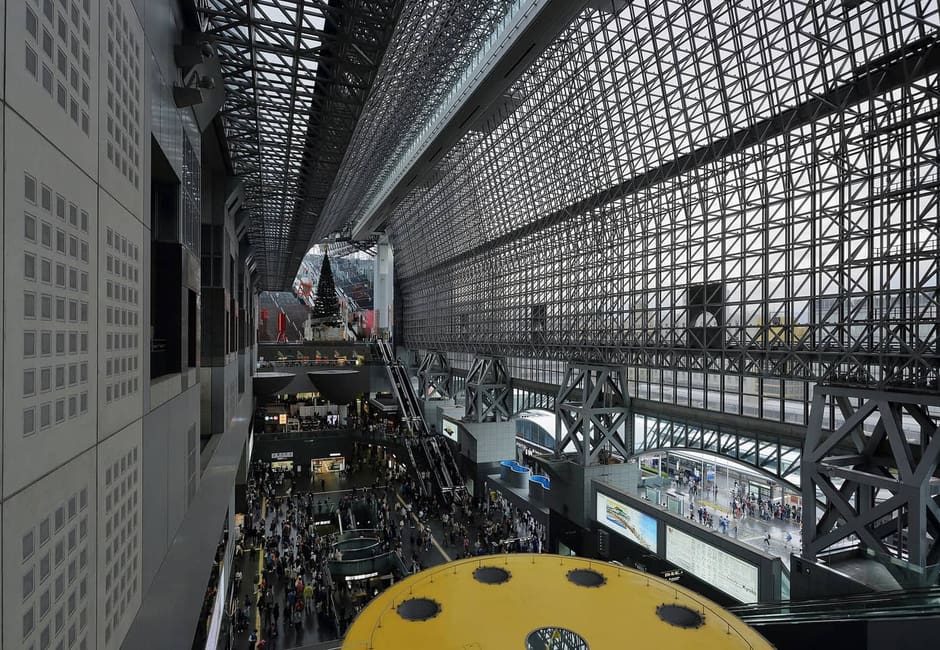
Kyoto Station
Free temples and late ramen a few minutes from the platforms
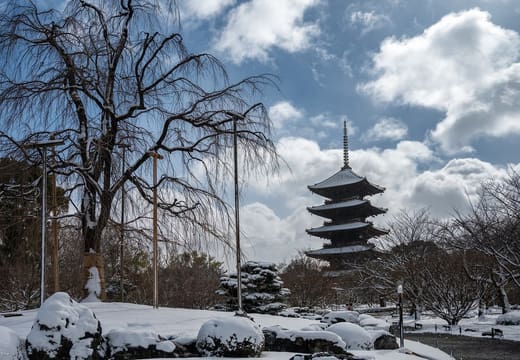
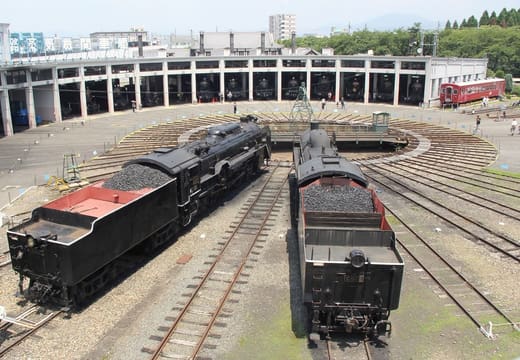
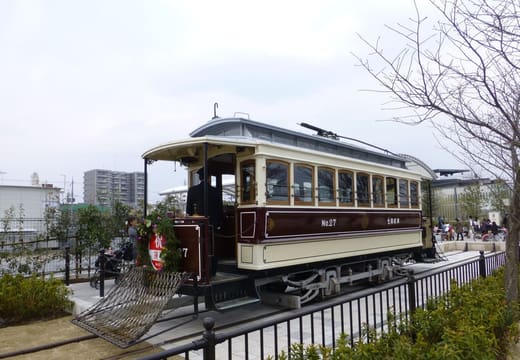
Most visitors only see Kyoto Station on the way in or out, which is a shame. Higashi Hongan-ji is 7 minutes north on foot and free, To-ji's pagoda is 15 minutes south, and at the railway museum to the west a working steam engine will pull you along. After dark, 15,000 LEDs light the station's 171-step staircase.
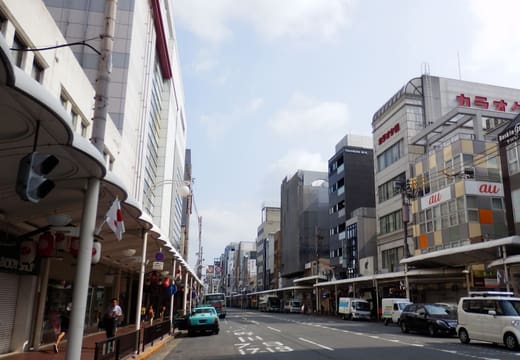
Kyoto Station is the city's biggest gateway, and that's the best reason to stay here. Kyoto City's tourism site puts Fushimi Inari-taisha about 10 minutes away, downtown Shijo-Kawaramachi about 20 and Arashiyama about 25. Crosta Kyoto in the basement will hold your bags on the last day, so you can check out and still fit in a temple.
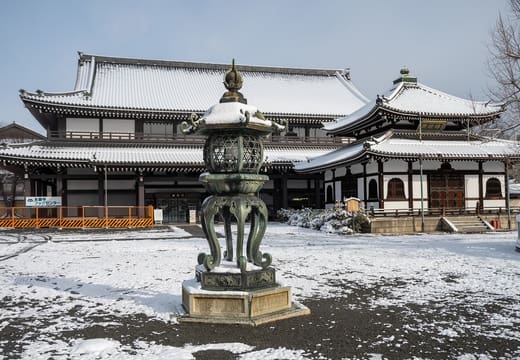
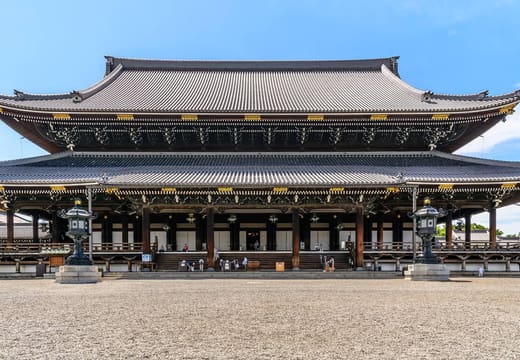
It's an early neighbourhood. Nishi Hongan-ji's gates open at 5:30, Higashi Hongan-ji's at 5:50 (6:20 from November to February), and Honke Daiichi Asahi starts serving ramen at 6:00. Both temples are free and let you walk into their great halls. Come back in the evening too, when the Skyway's lit from 17:00.
Getting there
The Tokaido Shinkansen takes about 130 minutes from Tokyo on a Nozomi, the Haruka limited express about 80 from Kansai Airport, and the JR Special Rapid about 30 from Osaka. The Karasuma subway line and the Kintetsu Kyoto Line stop here too.
What to see
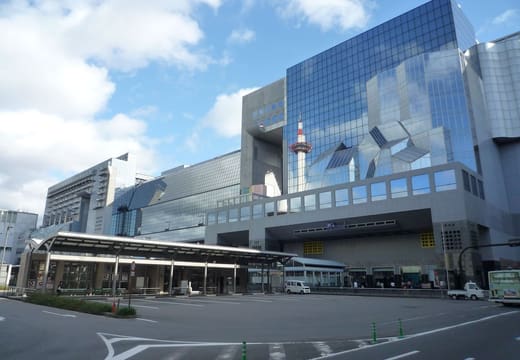
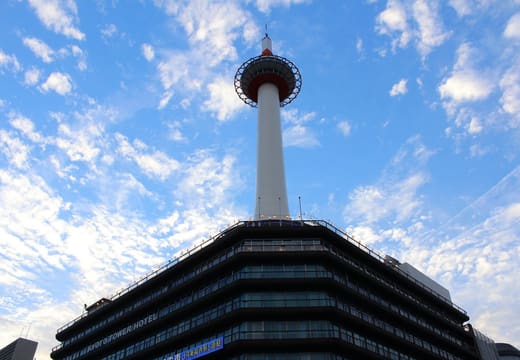
Hiroshi Hara's Kyoto Station Building opened in 1997, and its 171-step staircase climbs 35 m to a rooftop garden, which closes for building work from around late November 2026. The Skyway, a 185 m corridor on the 10th floor, looks north over the city for free until 22:00. Kyoto Tower is the white tower you'll see from the central exit. Its deck is 100 m up and costs ¥1,000.
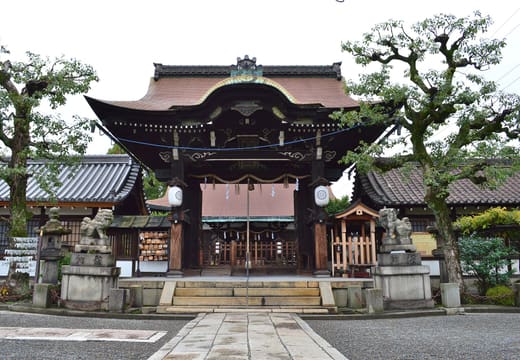
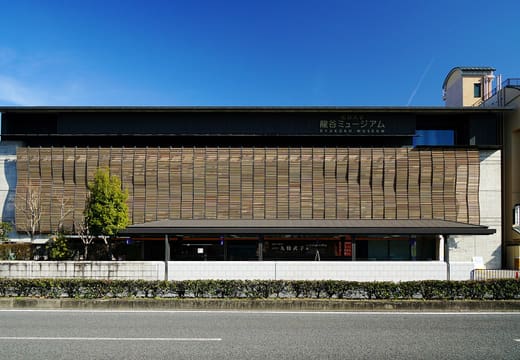
Walk north to the two Hongan-ji. Higashi Hongan-ji's great halls were finished in 1895, after the fighting of 1864 burned the old ones, and its pond garden, Shosei-en Garden, is a few blocks east (a donation of ¥700 or more). You'll find an upside-down ginkgo about 400 years old outside Nishi Hongan-ji, and the Ryukoku Museum across Horikawa-dori holds a full-size copy of a cave corridor from Bezeklik in Xinjiang.
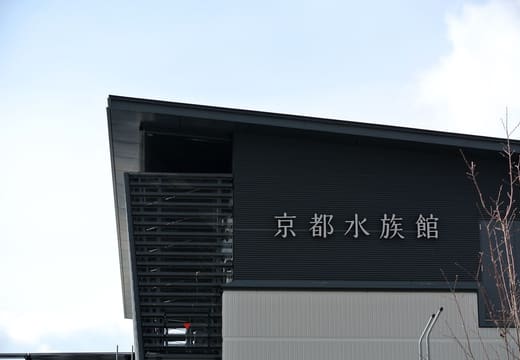
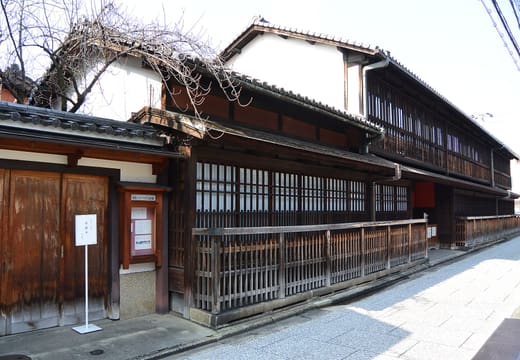
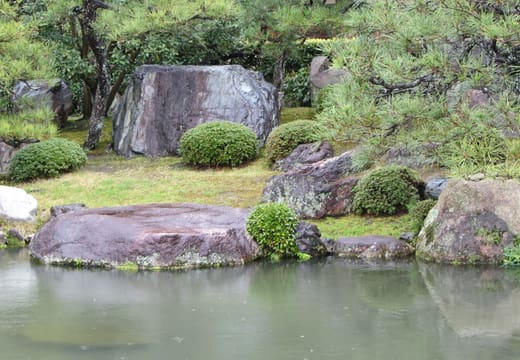
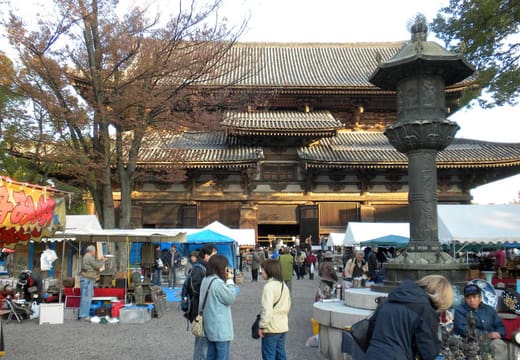
To-ji is 15 minutes on foot from the Hachijo exit. On the 21st of every month the To-ji Kobo-ichi Market fills its grounds with nearly 1,000 stalls, almost all of them trading by 8:00. Umekoji Park holds the Kyoto Aquarium and sits beside the Kyoto Railway Museum, and its Suzaku no Niwa garden (¥200, closed Mondays) has a pond that's just 1 cm of water over black granite. Shimabara Sumiya, the last surviving ageya banquet house, only opens in spring and autumn.
Where to eat and drink
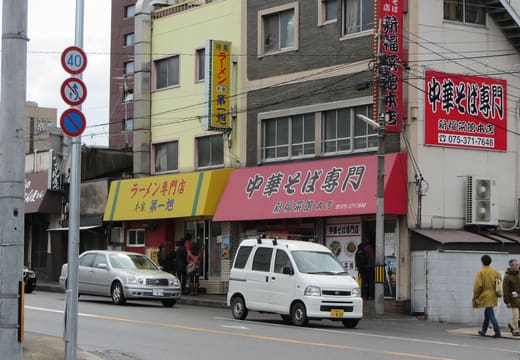
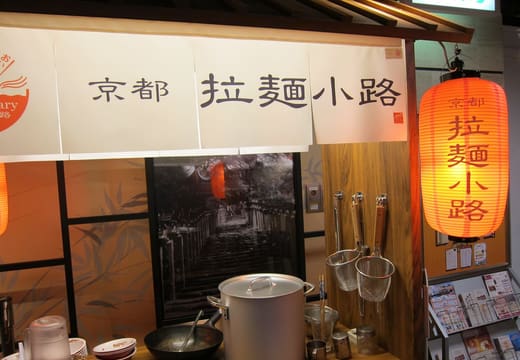
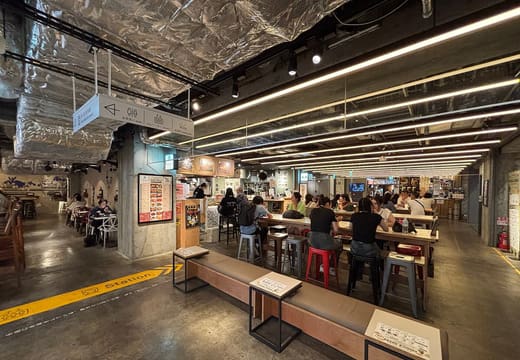
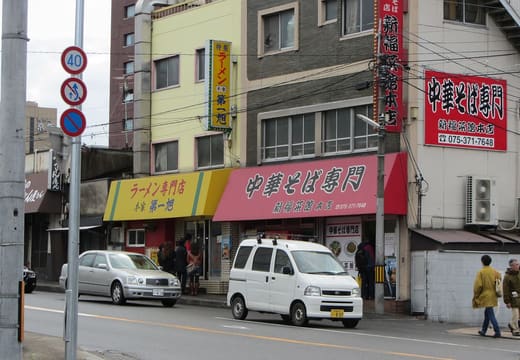
Come hungry for ramen. Kyoto Ramen Koji puts ten shops on the station building's 10th floor, from Sapporo miso to Hakata tonkotsu, and UNO RAMEN up there does vegan, gluten-free bowls. A few minutes east, two ramen shops sit a few steps apart. Shinpuku Saikan started as a street stall in 1938 and serves a soy broth so dark it surprises first-timers (¥950, cash only). Honke Daiichi Asahi's broth is clear, and it takes cards.
Kameya Mutsu, founded in 1421, bakes matsukaze, a chewy cake made with white miso. Kaikado Café, run by tea caddy makers who've worked by hand since 1875, opens at 8:00 and roasts its own coffee. Kyoto Tower Sando's basement food hall runs until 23:00, and its sushi bar cuts up a whole tuna on Saturdays at noon. Kyoto Brewing Co. Taproom, south-west of To-ji, pours its Belgian-yeast beers Wednesday to Sunday. There's no food, but you can bring your own.
Where to stay
You can sleep right on top of the trains here. Hotel Granvia Kyoto is part of the station building, and Kyoto Tower Hotel is in the tower's building, 2 minutes' walk away. Since 1 October 2026 every guest there gets a ticket to the deck. Several chains also run hotels named after the station, so you won't be short of choice.
Stay here if your trip is short or you're planning day trips. Osaka is about 30 minutes away. The catch is the crowd. Kyoto City's tourism site even tells visitors to avoid getting off at JR Kyoto Station when they can, and if you want to walk home after a night out in Gion, stay downtown instead.
How to do it in a day
Have coffee at Kaikado Café at 8:00 and be at Shosei-en Garden when it opens at 9:00. Walk on through Higashi Hongan-ji to Nishi Hongan-ji for the 11:30 tour, then get matsukaze at Kameya Mutsu if it isn't a Wednesday. After lunch, City Bus 205 or 208 from stop B3 at the station takes about 10 minutes to Umekoji Park and the Kyoto Railway Museum or the Kyoto Aquarium. On the 21st, start at the To-ji Kobo-ichi Market instead.
Come back for Kyoto Tower before the 20:30 last entry. Eat at Kyoto Ramen Koji (last orders 21:30), walk the Skyway before it shuts at 22:00, and come down the big staircase while the LEDs are on. From 31 October to 13 December 2026, swap the tower for To-ji's maple light-up (18:00 to 21:30, ¥1,000).
Nearby neighbourhoods
The best of Kyoto Station
Things to do in Kyoto Station
What's on in Kyoto Station
Local events in the next 30 days, read from the ward, park and organiser pages each one links to.
Higashi Honganji-mae Marche (Monozukuri Ryokuchi) Market
Sat 31 Oct · Oto-san Hiroba (Higashi Honganji-mae civic green)
About 150 booths of handmade goods and sweets plus six food trucks on the green in front of Higashi Honganji, with free acoustic live music from noon.
Free entry · Map · Source: Monocro (Mono-zukuri Crossroad) · 東本願寺前マルシェ~ものづくりRyokuchi~
Kyoto Railway Museum Night Museum Festival
Sat 31 Oct · Kyoto Railway Museum
An evening opening of the Kyoto Railway Museum with a special admission fee from 17:00.
Special evening admission after 17:00 · 17:00 to 19:00 (last entry 18:30) · Map · Source: Kyoto Railway Museum · ナイトミュージアム
To-ji Lecture Hall and Five-Storey Pagoda Autumn Opening Exhibition
31 Oct to 8 Nov · To-ji
A special opening of To-ji's Lecture Hall with its three-dimensional mandala and the first-floor interior of the five-storey pagoda.
¥1,200 adult, ¥700 high school, ¥500 junior high and under · 08:00 to 16:30 · Map · Source: Kyoto Heritage Preservation Association · 東寺 講堂・五重塔
Daihannya-e sutra reading at To-ji Festival
1st of every month. Next: Sun 1 Nov · To-ji
On the 1st of each month at 10:00 To-ji's Daihannya-e service has monks turn through the 600-scroll sutra, and visitors can sit in the Mieido hall and receive the sutra afterwards.
10:00 · Map · Source: To-ji · 大般若会(東寺)
Higashikujo Madang Festival
Sun 1 Nov · Former Toka Elementary School
A community festival in Higashikujo with pungmul drumming, a madang play, taiko and samulnori, a singing contest, experience corners, exhibitions and stalls at the former Toka Elementary School.
Free · 10:30 to 15:00 · Map · Source: Higashikujo Madang committee · 第34回 東九条マダン
Yamashiro Marche at Kyoto Porta Market
6 to 7 Nov · Kyoto Porta
A two-day marche in the Kyoto Station underground mall selling farm produce and processed foods from the Yamashiro area south of Kyoto.
11:00 to 19:00 · Map · Source: Kyoto Prefecture Yamashiro regional office · 山城マルシェ in 京都ポルタ
Prints, Paper and Beyond Exhibition
7 to 12 Nov · Kyoto City University of Arts, Campus B Building F
A group exhibition including Tabaimo, Kaneuji Teppei and Otake Shinro at Kyoto City University of Arts, opening at 12:00 on 7 November.
Free · 10:00 to 18:00 · Map · Source: Art Collaboration Kyoto · E04 版画、紙、そしてその先へ -
Shintaro Music Festival Performance
Sat 7 Nov · Kyoto Station Muromachi Koji Plaza and Zest Oike Kawaramachi Plaza
Bands and a cappella groups play in memory of Nakaoka Shintaro at Kyoto Station's Muromachi Koji Plaza and the Zest Oike plaza. In rain the station forecourt replaces the plaza. Severe weather cancels it.
Free to watch · Map · Source: Shintaro Music Festival · 慎太郎音楽祭
Backyard tour of the fan-shaped train shed at Kyoto Railway Museum Festival
8 November 2026 and 6 February 2027, meet 9:15. Next: Sun 8 Nov · Kyoto Railway Museum
About 40 minutes behind the scenes in the fan-shaped roundhouse before the museum opens, followed by free museum time. Prepaid booking on the listing.
Adults ¥3,000, high school and university ¥2,800, junior high and elementary ¥2,000, from age 3 ¥1,700 (includes museum admission) · Meet 9:15, tour 9:20 to 10:00 · Map · Source: Kyoto Railway Museum · 京都鉄道博物館バックヤードツアー 開館前の扇形車庫に潜入
Gallery talk by the Fumonji priest at Ryukoku Museum Exhibition
11 and 17 November, 16:00 to 16:45. Next: Wed 11 Nov · Ryukoku Museum (3F exhibition room)
The priest of Fumonji explains the highlights of the autumn show in the exhibition room. No booking, free to listen, a museum ticket is needed on the day.
Free to listen, museum ticket needed · 16:00 to 16:45 · Map · Source: Ryukoku Museum · 普門寺御住職によるギャラリートーク(龍谷ミュージアム)
Live music in Kyoto Station
- Kyoto City University of Arts concerts 5 upcoming gigs
Stay in Kyoto Station
Browse live availability and compare prices around the neighbourhood.
See hotels near Kyoto Station on Booking.comPrices are for the night of Saturday 24 October. You can change the dates on Booking.com. If you book, Roam Kyoto earns a small commission from Stay22 at no extra cost to you.